The NBA is a game of finesse, athleticism, and strategy, but amidst the dazzling displays of perimeter prowess, one area remains a crucial battleground: the paint. Often overlooked in highlight reels dominated by three-pointers, the paint – the area closest to the basket – is where games are truly won and lost. Consider this: teams that consistently outscore their opponents in the paint have a dramatically higher win percentage. It’s a testament to the enduring value of inside presence, aggressive drives, and tenacious rebounding.
For fans, understanding the nuances of paint play unlocks a deeper appreciation for the strategic chess match unfolding on the court. For aspiring players and coaches, mastering the intricacies of paint dominance is a direct path to improved performance and team success. This isn’t just about brute force; it’s about positioning, footwork, and making smart decisions under pressure. The paint is a proving ground where legends are built, and fortunes are won.
Defining the Paint: What You Need to Know
The “paint,” also known as the key or the free throw lane, is a crucial area on the basketball court, defined by specific lines and rules that dictate player movement and scoring opportunities. Understanding the paint requires knowing its dimensions under different governing bodies—NBA, NCAA, and FIBA—as these variations impact gameplay significantly. Within the paint, the “restricted area” further refines defensive rules, particularly concerning charging fouls. The infamous “three-second rule” governs how long an offensive player can remain inside the paint without actively attempting a shot, preventing stationary advantages close to the basket. The original intent of these rules was to foster movement, prevent overcrowding near the basket, and promote a more balanced offensive and defensive game.
The dimensions of the paint in NBA
In the NBA, the paint is 16 feet wide. Within the paint exists a restricted area is a semi-circle extending 4 feet from the center of the basket. These dimensions impact offensive strategies, dictating spacing and driving lanes, and influence defensive schemes designed to protect the rim. The restricted area limits defensive players from taking charges in certain areas.
The dimensions of the paint in NCAA
The NCAA paint mirrors the NBA in width, also measuring 16 feet wide. Unlike the NBA, the NCAA does not have a restricted area with a clearly defined arc. This difference in dimensions impacts offensive and defensive strategies, altering how players attack the basket and how defenders position themselves to take charges or block shots.
The Evolution of Paint Play
The NBA’s history is painted with tales of dominance in the paint, a narrative sculpted by imposing figures and strategic rule adjustments. From the early days, the area around the basket has been a battleground, with titans like George Mikan establishing inside presence. His scoring ability near the rim forced the league’s hand with the introduction of the 3-second rule and widening the lane, early attempts to curb absolute paint control. Later, Wilt Chamberlain’s unparalleled athleticism and scoring prowess further emphasized the need for defensive strategies and rule modifications to balance the game. These adjustments mark significant turning points, reflecting the ongoing effort to harmonize offensive power with defensive integrity in the NBA.
The influence of the 3-second rule and paint width.
The 3-second rule and alterations to paint width stand as pillars in the NBA’s regulatory evolution. Initially designed to prevent offensive players from camping in the lane, the 3-second rule forced constant movement and opened up offensive opportunities. The subsequent expansions to the paint width aimed to diminish the impact of dominant centers, fostering a more versatile and dynamic game.
Paint Points: Quantifying Value
Paint points are more than just close-range shots; they’re a critical indicator of team effectiveness in the NBA. Quantifying their value requires looking beyond simple scoring totals and delving into deeper statistics that reveal the efficiency and frequency with which teams attack the basket. By analyzing metrics such as points per possession in the paint and paint touch percentage, one can gain a holistic understanding of a team’s offensive and defensive prowess inside.
Consider teams that dominate the paint. Their success isn’t solely about individual talent; it’s about system, spacing, and relentless effort. Analyzing their points per possession, field goal percentage within the paint, and the frequency with which they get touches in the paint provides tangible evidence of their dominance. These figures aren’t arbitrary; they directly correlate with winning basketball.
Points per possession inside the paint
Points per possession (PPP) inside the paint is a crucial metric. It measures a team’s efficiency when attacking the basket; a higher PPP indicates a more effective scoring strategy. Concrete data from official NBA sources underscore its influence on the game – teams with a higher PPP are likely to score at will and put more pressure on the opposite team. It highlights their ability to convert close-range opportunities into points.
Possession and Paint Dominance
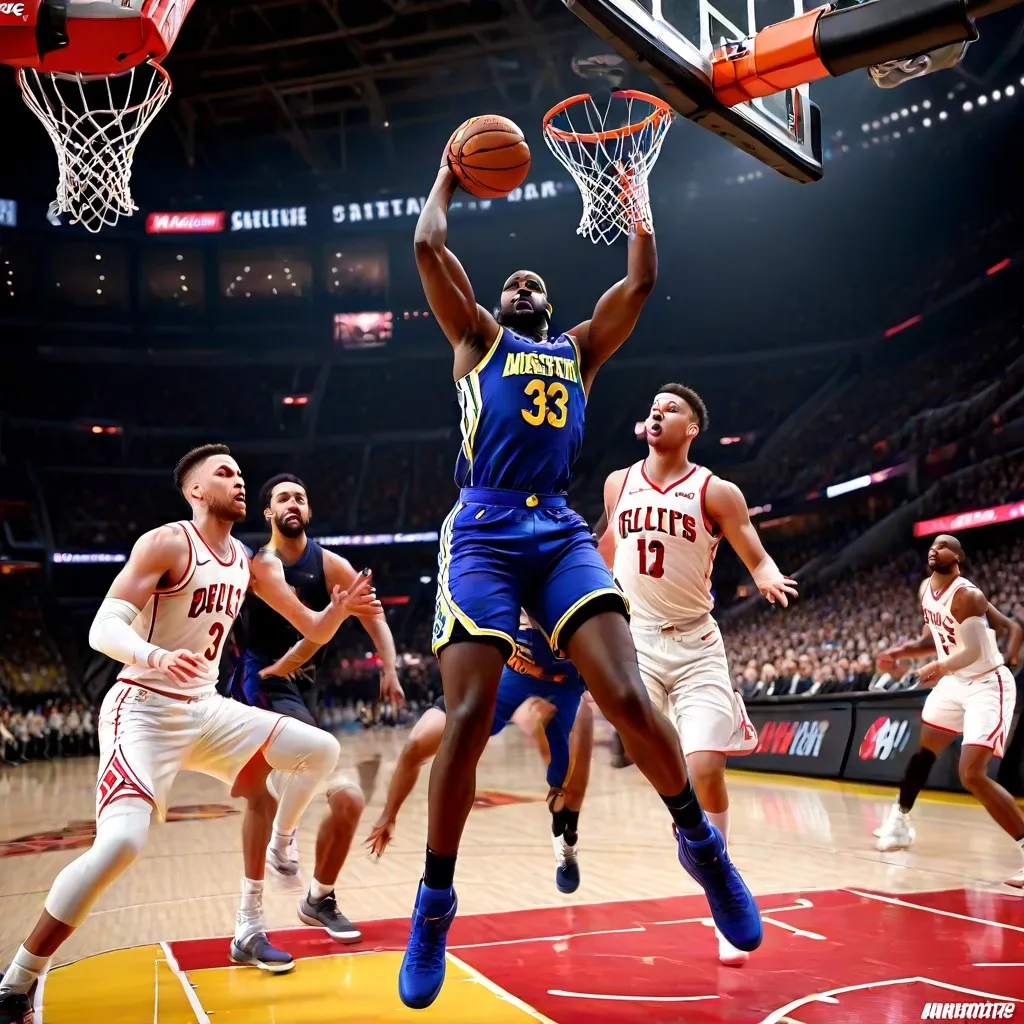
The NBA is a game of possessions, and the team that controls the ball most effectively often comes out on top. Paint possession, which refers to the amount of time a team maintains control of the ball inside the painted area near the basket, plays a crucial role in dictating overall ball possession and, consequently, offensive efficiency. Teams that prioritize establishing a presence in the paint tend to see a ripple effect, leading to more scoring opportunities and a greater ability to control the tempo of the game. Paint touches can collapse defenses, create open looks for perimeter shooters, and generate high-percentage shots near the rim. Teams known for their interior play often demonstrate a strong correlation between paint dominance, total possession time, and a higher offensive rating.
How to optimize time of possession inside the paint
Optimizing time of possession in the paint involves a multi-faceted approach focused on understanding official NBA data. Teams must understand the importance of every second they have on the ball inside the paint. This data highlights the direct impact that paint touches have on scoring efficiency and overall team success. It’s about maximizing the value of each possession and turning interior dominance into a strategic advantage.
Offensive Strategies for Paint Penetration
Unlocking easy baskets starts with a well-designed offensive game plan focused on attacking the paint. The goal is to create high-percentage opportunities near the basket, forcing the defense to collapse and opening up scoring chances for teammates. There are several effective strategies a team can employ to achieve consistent paint penetration. These include variations of the pick-and-roll, aggressive dribble drives, and utilizing dominant post-up players. Each approach requires specific skill sets and tactical understanding, but when executed properly, can lead to a highly efficient offense. Ultimately, paint penetration is not just about individual skill; it’s about creating a system where players can exploit defensive weaknesses and maximize scoring potential.
Drive and kick for paint penetration
The “drive and kick” is a fundamental offensive strategy used to create open shots and scoring opportunities near the basket. With the drive and kick, a player aggressively dribbles toward the basket, drawing the attention of the defense. As defenders collapse to stop the drive, the ball-handler quickly kicks the ball out to an open teammate on the perimeter for a three-point shot. This approach not only generates high-quality looks from beyond the arc but also forces the defense to stay honest, preventing them from over-committing to help defense in the paint.
Defensive Strategies for Paint Protection
Zone defence for paint protection
The zone defence stands out as a key defensive strategy in basketball, primarily designed to protect the paint. By having players guard specific areas of the court rather than individual opponents, the zone defence effectively clogs the lane, making it difficult for opposing players to penetrate and score inside. This strategy forces offenses to rely more on outside shooting, which can be less efficient than scoring in the paint. The effectiveness of zone defenses can be seen in various NBA teams who have successfully used it to limit opponents’ inside scoring and control the tempo of the game.
Leveraging Analytics to Optimize Paint Play
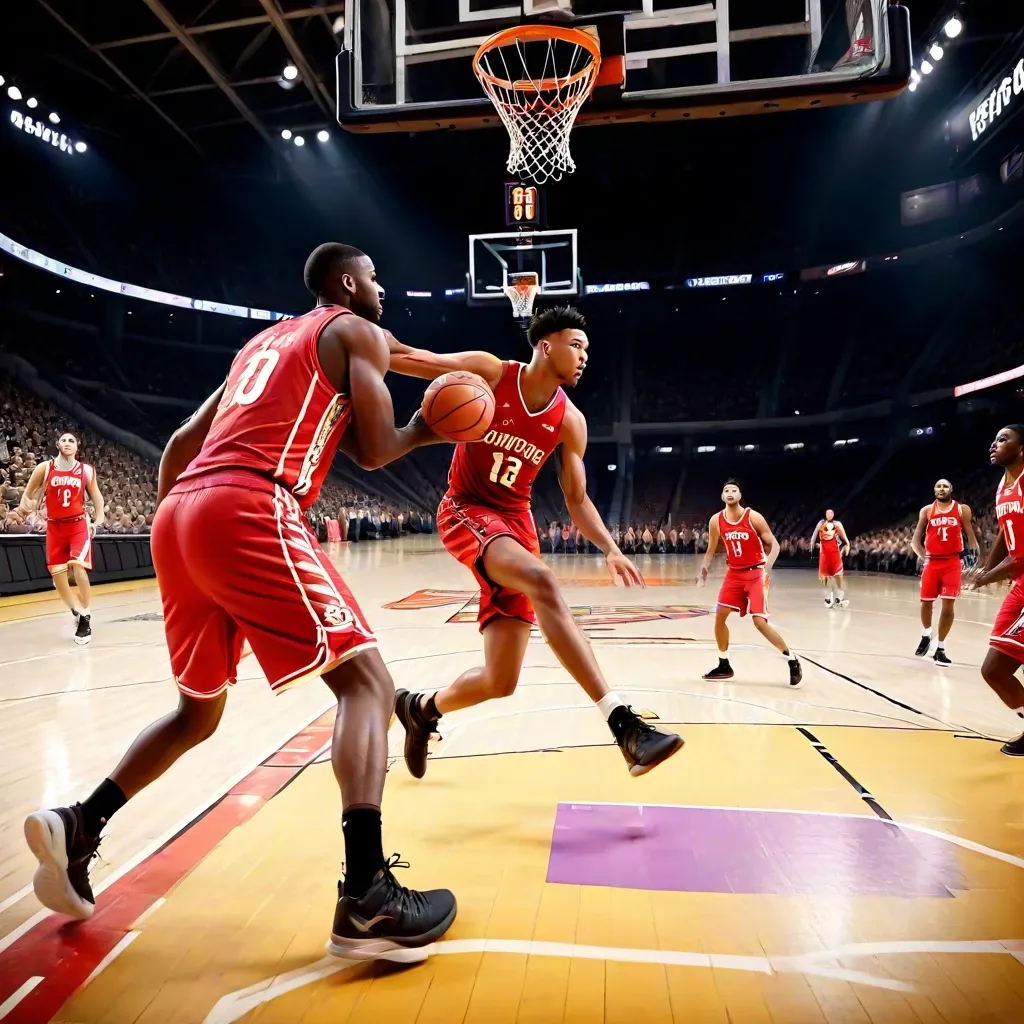
Data analytics has revolutionized how basketball is played and coached, offering invaluable insights into optimizing performance in critical areas like paint play. By harnessing the power of data, coaches and players can identify areas for improvement in both paint scoring efficiency and defensive effectiveness. This analytical approach moves beyond traditional methods, providing a granular understanding of on-court actions.
Specific metrics such as points per possession in the paint, shooting percentages from various spots within the paint, and defensive rebounding rates become crucial indicators. Tools that track player movement, shot selection, and defensive positioning allow for a comprehensive analysis of paint performance. The information gleaned from these analytics enables teams to tailor their strategies, focusing on maximizing scoring opportunities and minimizing defensive vulnerabilities.
Several NBA teams have successfully integrated analytics to enhance their paint presence. By studying data patterns, they have developed targeted training drills and game plans that exploit opponent weaknesses and capitalize on their own strengths. This data-driven approach has led to increased scoring efficiency, improved rebounding numbers, and a more formidable defensive presence in the paint, ultimately contributing to greater team success.
Developing Players for Paint Success
The paint. It’s a battleground, a place where games are won and lost. Developing players who can dominate inside requires a targeted approach, focusing on both offensive firepower and defensive steel. We’re diving deep into actionable strategies to mold paint specialists.
On offense, it’s all about mastering the fundamentals. Post moves are the foundation – think drop steps, hook shots, and up-and-unders. Footwork drills are crucial for creating space and establishing position. Players need to become comfortable finishing at the rim with either hand, utilizing a variety of moves to avoid defenders. Practicing these skills, helps player to improve their overall performance.
Defensively, paint play is about positioning, anticipation, and relentless effort. Rebounding drills are essential, teaching players how to box out and attack the glass. Contesting shots without fouling is a fine art, requiring proper technique and timing. Emphasize the importance of communication and teamwork in controlling the paint.
I once worked with a young player who had the size but lacked the skills and confidence to be effective inside. We focused relentlessly on post moves and defensive positioning. Slowly, he transformed into a dominant force in the paint, leading his team in scoring and rebounding. The paint is for those ready to play hard.
The “Paint Prize”: Winning Games
The ultimate goal in basketball isn’t just flashy plays or impressive stats; it’s securing the win. A consistent focus on paint play can significantly contribute to a team’s overall success and potentially increase their chances of hoisting the championship trophy. Dominating the paint translates directly into more scoring opportunities, higher-percentage shots, and a greater likelihood of drawing fouls.
When a team consistently establishes a presence in the paint, it forces the opposing defense to collapse, opening up opportunities for perimeter shooters. By winning the battle down low, teams can control the tempo of the game, dictate matchups, and ultimately increase their odds of victory. The “paint prize” is the tangible reward for all the hard work and strategic focus placed on mastering this critical area of the court: more wins and a shot at the ultimate prize.
Conclusion
In summary, mastering the paint remains a pivotal element for success in the modern NBA. Understanding and effectively implementing the strategies and techniques discussed—from player selection and development to tactical offensive and defensive schemes—can significantly impact a team’s performance. The ability to control the paint, both offensively and defensively, offers a distinct advantage. Teams that prioritize and excel in this critical area unlock potential of becoming true contenders. Make the paint your domain, and watch your team’s fortunes rise.