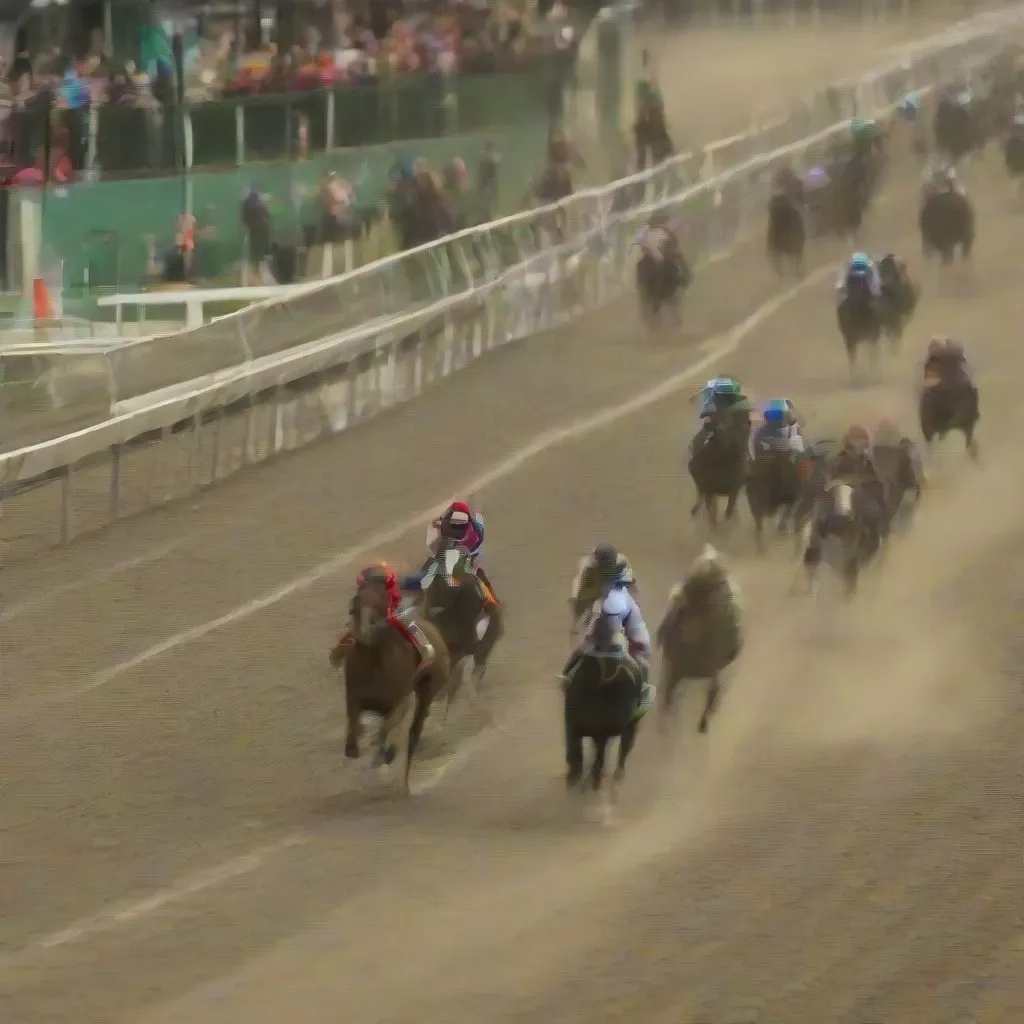
The roar of the crowd, the pounding of hooves, the electric anticipation hanging in the air – these are the sensations that fuel the horse racing world. But beyond the spectacle, a quieter game unfolds, one where shrewd observers can turn knowledge into profit. Imagine this: The final turn at Saratoga. The favorite, usually a strong finisher, is boxed in. A seasoned rail skimmer, eyes scanning the field, recognizes the subtle shift in momentum. Predicting the horse will be forced to take a wider path adding distance the savvy bettor places a well-timed wager on a longshot with inside position. The longshot wins. Not by luck, but by calculated observation.
This is the essence of rail skimming – a strategic approach to horse racing that blends handicapping expertise, keen observation of track conditions and jockey tendencies, and a willingness to seize opportunities as they arise. Rail skimming isn’t a guaranteed path to riches, but for those willing to learn the nuances. It can be a surprisingly profitable betting strategy. Throughout this guide, readers will discover the fundamentals of rail skimming, the critical elements to consider, and tips to improve the capabilities in identifying potential opportunities at the racetrack. It is about transforming a casual interest in horse racing into a strategic and potentially rewarding endeavor.
What is Rail Skimming?
Rail skimming is a strategic approach to horse racing wagering. It’s a method focused on identifying and capitalizing on overlooked value among horses positioned near the inside rail. The core idea revolves around the perception that horses running close to the rail might be underestimated by the betting public. This underestimation could be due to various factors, such as track bias opinions or the horse’s running style not fitting conventional expectations.
Unlike more complex handicapping techniques that involve detailed form analysis or speed figure calculations, rail skimming is a comparatively simple method. It prioritizes track position and betting psychology over in-depth performance metrics. It is not a guaranteed path to winning, but rather a selective approach that seeks to exploit potential biases in the betting market. Rail skimming isn’t about blindly betting on every horse near the rail. Instead, it’s a calculated strategy that combines positional awareness with shrewd assessment of odds and potential undervaluation.
A common misconception is that rail skimming is solely about betting on longshots. While horses with longer odds often present the most significant value opportunities, the strategy also applies to identifying solid contenders that are slightly undervalued due to their inside running style. Rail skimming is also not about ignoring important handicapping factors; it is more about considering the “rail horse” edge as an important factor when placing a horse racing bet.
Skills of a Rail Skimmer
To thrive as a rail skimmer demands a unique blend of skills, going beyond mere chance. It requires a sharp mind, keen observational abilities, and a deep understanding of the racing world. Success isn’t just about luck; it’s about methodically gathering information and using it to make informed decisions.
Track Observation
A rail skimmer understands the importance of pre-race observation. Before the event, skilled observers carefully watch the horses during warmups. They look for subtle cues – a horse’s energy level, its gait, and overall demeanor. Identifying which horse appears more fit or energized than the others provides valuable insight. This dedicated observation combined with knowledge about trainers, jockeys, and race events can significantly increase chances of winning.
Reading the Crowd
Skilled rail skimmers often pay close attention to the betting patterns of other players. In many instances, bettors operate in groups, sharing knowledge and insights. Observing these groups and noting their betting intentions can be incredibly useful. If a player known for their understanding of horse conditions places a bet, it could be a signal worth following. It’s not about blindly imitating others, but rather recognizing potential knowledge sharing and capitalizing on it.

Race Reading Secrets for Optimal Outcomes
Effective race analysis is more than just glancing at past performances; it’s about predicting the future. The goal is to uncover vulnerabilities and opportunities that casual observers overlook, turning informed insights into potential winnings. By mastering the art of race reading, one elevates their understanding of horse racing form, transcending basic data to forecast potential race outcomes with precision.
A crucial element is integration. It is important to combine speed figures, pace analysis and track bias detection into a cohesive strategy. This approach allows for a comprehensive understanding of each horse’s capabilities, the dynamics of the race, and the impact of the track itself.
One should be able to detect the best race for potential “rail skimming”—identifying contests where the field’s abilities are closely matched, creating a higher chance of a late surge from a well-placed horse.
Speed Figures and Their Importance
Speed figures are a cornerstone of race analysis. These metrics assign a numerical value to each horse’s performance, normalizing it across different tracks, distances, and conditions. By comparing speed figures, one gets a clearer picture of which horses have consistently demonstrated superior speed. Recognizing top speed results is very important. It gives you a significant advantage when it comes to making informed betting choices. Understanding how to interpret and compare these figures is paramount to maximizing earnings.
Money Management and Bankroll Strategy for Rail Skimmers
Rail skimming, like any form of speculation, demands a keen understanding of risk and reward. Even the most astute race reader will inevitably encounter periods of losses and unfavorable circumstances. Sound bankroll management is the bedrock upon which sustained success is built; it’s not just about winning, it’s about surviving the inevitable rough patches and capitalizing when your edge returns.
Effective money management for rail skimmers begins with a clearly defined bankroll – the total capital you’ve allocated specifically for your racing investment. Treat this money as a dedicated fund, separate from your personal finances. Once established, the core principle revolves around disciplined bet sizing. Forget chasing losses with increasingly large bets. Instead, adopt a percentage-based approach. A standard recommendation is to risk only 1-2% of your bankroll on any single race. For example, with a $1,000 bankroll, your typical bet should range from $10 to $20. This conservative approach minimizes the impact of losing streaks and allows your bankroll to weather variances.
Stop-loss limits are another weapon in your arsenal. Determine a maximum daily or weekly loss threshold. Reaching this limit signals a time to step away, reassess your approach, and avoid emotional decision-making. It prevents you from depleting your bankroll in a fit of frustration. Conversely, consider reinvestment strategies for periods of sustained profitability. As your bankroll grows, gradually increase your base bet size, maintaining that consistent risk percentage. For instance, if your bankroll doubles, you can cautiously double your standard bet.
Remember, consistency is key. Bankroll management isn’t a one-time decision, but an ongoing process. It requires constant monitoring, adjustment, and a healthy dose of self-awareness. The goal is not to get rich over night, but to ensure long-term participation and enjoyment of the sport, with the potential for profit along the way. Adaptability and a long-term perspective are crucial elements of successful rail skimming.

Advanced Rail Skimming Techniques
Different Types of Rail Skimming
Rail skimming isn’t just about sliding across a rail; it’s an art with diverse approaches. The “Frontside Rail Skim” involves approaching the rail with your front facing it, requiring a committed rotation and balance. The “Backside Rail Skim” is similar, but you approach with your back facing the rail, often feeling more natural for some riders. Then there’s the “50-50 Rail Skim,” the most straightforward, where you ride straight onto the rail and slide along its length. Finally, the “Nose/Tail Press Rail Skim” adds another dimension, requiring you to balance primarily on either the nose or tail of your board while sliding, demanding exceptional control. Choosing the right type depends on your comfort level and the specific features of the rail itself.
Mastering advanced rail skimming in racing demands a blend of precision, agility, and strategic thinking. Understanding the nuances of each technique is crucial for optimizing speed and maintaining control on the course. Let’s explore some key strategies to elevate your rail skimming game.
Perfecting the Approach: A smooth and controlled approach is paramount. Maintain a balanced stance and focus on your entry point. Slight adjustments in your weight distribution and edge control can make all the difference in initiating a clean slide.
Edging: subtle edging is useful for speed and balance. Knowing when to edge and how much edging you need to do is crucial to win a race.
Maintaining Momentum: Speed is your ally. Carry enough momentum to glide effortlessly across the rail, but avoid excessive speed that could compromise your stability. Find the sweet spot where you can maintain a consistent pace without losing control.
Weight Distribution and Balance: Precise weight distribution is essential for maintaining balance and control. Experiment with subtle shifts in your center of gravity to find the optimal position for each rail. Keep your core engaged and your knees slightly bent to absorb any unexpected movements.
Reading the Rail: Every rail is different, with its own unique characteristics. Pay close attention to the shape, length, and surface conditions of the rail. Adjust your technique accordingly to maximize your performance. A keen understanding of the rail will allow you to anticipate challenges and adapt your strategy on the fly.
Conclusion
Rail skimming in horse racing, while seemingly straightforward, demands a blend of sharp observation, an understanding of racing dynamics, and the discipline to manage your betting strategy effectively. Mastering this technique isn’t about finding a guaranteed win; it’s about enhancing your ability to identify potential value within the complexities of each race.
The insights shared offer a solid foundation, but your journey doesn’t end here. The world of horse racing is ever-evolving, with track conditions, jockey styles, and horse performances all subject to constant change. Continuous learning and adaptation are your greatest assets. Stay curious, keep refining your approach, and embrace the challenges that come with the sport.
So, take these strategies, apply them thoughtfully, and may your rail skimming adventures be filled with informed decisions and, hopefully, a few rewarding victories along the way.